
Morita Therapy
Traditional Japanese psychotherapy.

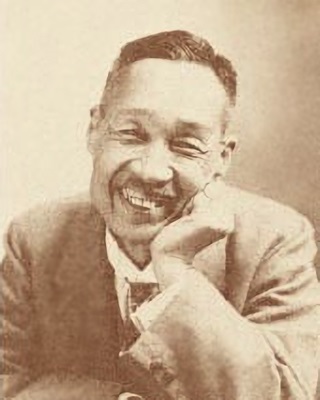
Around 100 years ago, the Japanese psychiatrist Dr Shoma Morita developed the Morita therapy for the treatment of phobic and obsessive-compulsive anxiety disorders and nervous weakness Shinkeishitsu. Over the years, the areas of application have been extended to include many other psychosomatic disorders as well as prevention.
One aim of Morita therapy, which is deeply inspired by ZEN Buddhism, is Arugamama, acceptance of life and all experiences - without manipulation, control or defence (Hakarai). Complaints arise from narrowly focused self-observation and symptom-orientation.
Give up on yourself.
Begin taking action now, while being neurotic or imperfect,
or a procrastinator, or unhealthy, or lazy, or any other label
by which you inaccurately describe yourself.
Go ahead and be the best imperfect person you can be and
get started on those things you want to accomplish before you die.
Accept your feelings. Know your purpose.
And do what needs to be done.Dr Shoma Morita (1874-1938)
Axioms of Morita therapy
It is a common assumption that psychological suffering is caused by painful thoughts and feelings - but these are completely normal.
We all experience painful feelings such as anxiety, depression or inadequacy - it is not these unpleasant feelings or irrational thoughts that are the problem, but our attempt to avoid them that leads to problematic behaviour.
We cannot control our thoughts, feelings and physical sensations at will. Our attempt to avoid unwanted inner experiences usually leads to an increase in their intensity and frequency in the long term.
Therefore, we should accept unchanging experiences as they are, without any manipulation or avoidance.
We can act independently of or even contrary to our thoughts and feelings.
If we simply accept our inner experiences, we can perform almost any action regardless of our emotional state. Conversely, active actions often lead to new, happier feelings.
Attention brings reinforcement! The more attention we pay to our symptoms, stressful thoughts and feelings, the stronger they become.
Through mindful, committed contact with the outside world and a realistic mental attitude, we free ourselves from the shackles of self-centredness.
Desire and fear are two sides of the same coin.
When we experience fear, the opposite desire for freedom from fear arises. When we are praised, we question: do we really deserve it? When we are rich, we develop worries about becoming poor. When we buy something, we often question the purpose of the purchase. These opposing and self-inhibiting processes are natural, uncontrollable phenomena.
However, if they get out of hand, mental disorders develop.
Principle 1When we give free rein to emotions, they follow a parabolic course: they ignite, reach a peak, subside and dissolve.
Principle 2Emotions diminish quickly and dissolve when the underlying impulses have been satisfied.
Principle 3Emotions are dampened when they are repeatedly stimulated by the same impressions - we get used to it.
Principle 4Emotions are intensified when the stimulus continues uninterrupted and attention remains focussed on the stimulus or emotion.
Principle 5Emotions are learnt through new experiences and cultivated through repetition.
Toraware includes a) our selective attention and preconceptions and b) Shiso-no-mujun - our inconsistency between ideal and reality (cognitive dissonance). This leads to a vicious circle of symptom intensification and an unproductive lifestyle.
4 stages of traditional inpatient Morita therapy in Japan

7 days bed rest in silence
Recovery from exhaustion
Introspection without distraction
Confrontation with yourself
No visits, digital detox

Silent observation
Stay in nature
Uniform work in silence
Personal diary
No visits, digital detox

„Wood chopping phase“ outdoors
Intensive work therapy
Building self-confidence
Encouragement through success
Action-orientated attitude

Application in everyday life
Active repeated reading
Set requirements
New structured lifestyle with clear thinking, physical activity and meditation
Modern outpatient Morita therapy at EURASIAMED
Only a few people have the opportunity to experience classic Morita therapy for 4-6 weeks in one of the inpatient facilities worldwide.
We therefore accompany you in an outpatient treatment programme at home or in a kind of „retreat“ at a selected location.
We customise the individual course of treatment to your therapeutic requirements, time resources and external conditions.
After your initial consultation, we look at your personal vicious cycle of thoughts, feelings, physical symptoms and your attempts to control, reduce or avoid them.
Together we will agree the goals of your treatment and draw up a personalised treatment plan. During your outpatient treatment, we will be in daily contact by (video) phone and in writing. You will also keep and maintain a Dojo-Cure diary.
The treatment promotes your alert, expanded attention (Mushoju-shin).
In therapy you learn,
- Perceive & accept emotions,
- to recognise underlying needs, desires and values,
- Activate your will to live,
- Separate your mood from your activities and
- to take constructive action despite unpleasant thoughts or feelings.