Symptoms rarely arise at just one level. The body’s regulatory processes, metabolism, hormones, the nervous system, lifestyle, psychological stress and individual constitution all influence one another.
That is why, in my private practice, I combine modern medical diagnostics with psychological assessment and selected techniques from Asian medicine.
The aim is not to carry out as many tests as possible, but to gain the most comprehensive understanding possible of your individual health situation.
Good diagnosis does not merely answer the question, what is available.
It helps us to understand, why it came about.
And what steps can lead to better health.
—
Ralph Steuernagel
More than just compiling findings
Laboratory results, ultrasound images and medical diagnoses provide important information.
However, individual test results do not always explain why a person develops symptoms, why they persist, or why the test results and the patient’s self-reported symptoms do not seem to match.
A holistic diagnostic approach therefore does not merely ask: ‘What is the diagnosis?’
But also: How did it develop? What factors are influencing it today? Which regulatory mechanisms are impaired? What is perpetuating the symptoms? And what salutogenic resources remain available?
It is only by combining these perspectives that a comprehensive picture emerges, enabling the development of a personalised and transparent treatment plan.
It’s not a case of one or the other. It’s a meaningful combination.
Modern medicine offers sophisticated capabilities for the precise investigation of structures, laboratory parameters and disease processes.
Traditional Asian medical systems focus more closely on constitution, functional relationships, individual responses and early signs of an imbalance.
Psychology helps us to understand how our thoughts, feelings, behaviour, relationships and life story affect our health and illness.
Tradition meets modern science: Each of these perspectives has its own strengths and limitations.
In my multimodal diagnostic approach, these factors are not simply lumped together without critical analysis. They are examined in detail, categorised according to their respective fields, and linked where doing so leads to a better understanding of your health situation.
From individual figures to the bigger picture
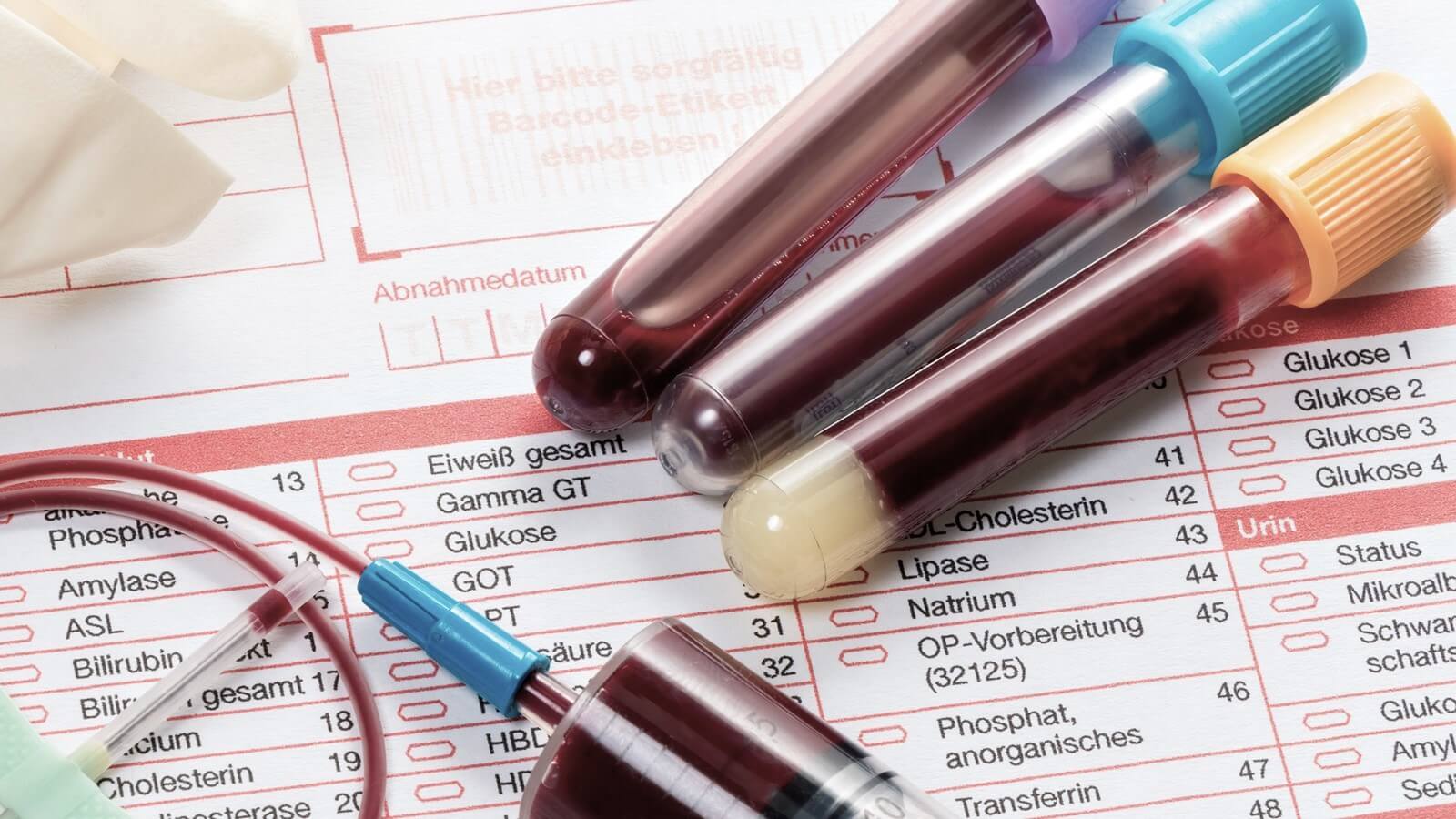
A laboratory result is, first and foremost, a piece of information. Its significance only becomes apparent in the context of:
Your symptoms
Your medical history
further laboratory and diagnostic findings
Your medication
Your age and your individual constitution
their way of life
over time
That is why I do not treat a single measurement in isolation. I try to understand what this value means to you personally and whether it actually fits with your symptoms and the overall picture.
Multimodal diagnosis – useful when
If symptoms persist despite treatment,
Laboratory results and how the patient feels do not match,
several organ systems or areas of discomfort are affected,
there are already many individual findings, but an overall understanding is lacking,
if chronic fatigue, stress or psychosomatic factors are suspected,
if you would like to understand a diagnosis you have already been given better,
if you would like to have your previous treatment assessed in detail,
look for individual causes and contributing factors,
who would like to take a preventative, long-term approach to looking after their health.
A holistic understanding
Diagnostic support
The basis of your personalised treatment
Initial consultation and medical history
We will discuss your symptoms, previous diagnoses, treatments, test results and personal goals.
Personalised examination plan
On this basis, we decide together which physical, laboratory, functional, psychological or traditional tests are appropriate.
Summary of the results
The individual findings are not assessed in isolation, but are brought together to form a clear overall picture.
Discussion and further recommendations
You will receive a clear breakdown of the results and recommendations for possible next steps.
Diagnostics as a continuous process
Follow-up consultations are not just for checking laboratory results. They help us to test hypotheses, assess developments and further refine our shared understanding of your health.